Sustainable Home Decor: A Practical Buyer's Guide
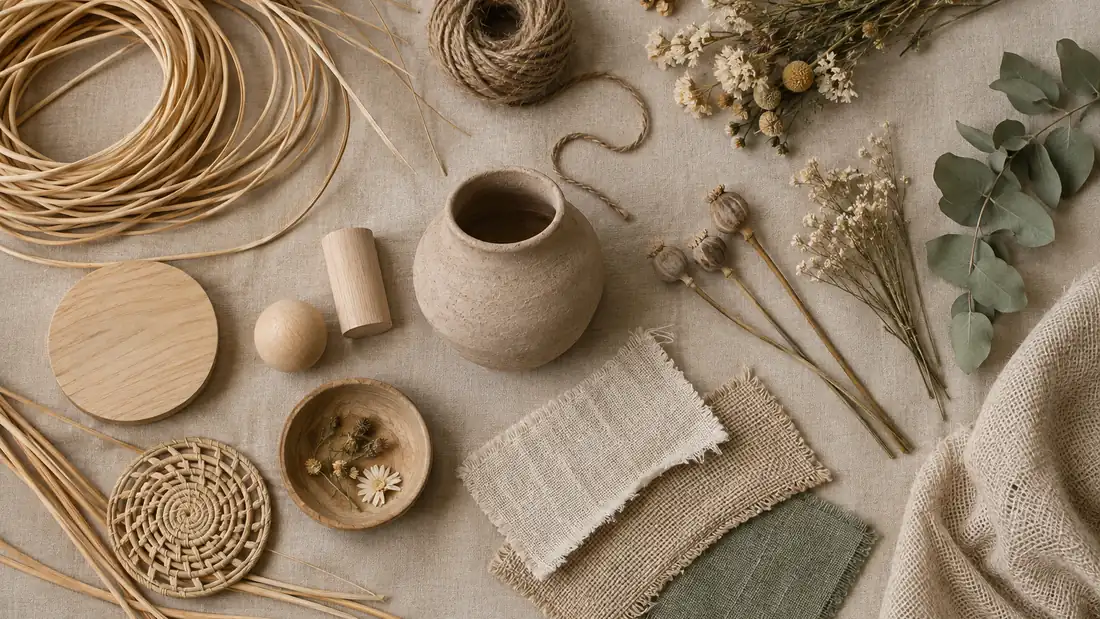
Before materials or certifications, the math is simple: a ceramic vase used for thirty years has a tiny footprint per year, while a mass-produced one replaced every two years has a huge one. Buy fewer, better pieces - and maintain them - and most of the environmental work is done.
Seagrass, sisal, rattan, jute, cotton, wool, unglazed clay and unfinished wood are genuinely low-impact: they grow quickly, need little processing and return to the earth at end of life. The questions worth asking are about finish and treatment. A water-based finish beats a solvent one; undyed or naturally dyed fibers beat heavy synthetic dyes.
Artisan production is inherently low-energy - a weaver's loom or a potter's wheel uses a fraction of the power of an automated production line. Handmade also tends to mean small-batch, which means less overproduction and less landfill-bound inventory. And when you buy from a small maker, more of your money reaches the person who made the thing.
It is tempting to compare a handwoven basket to a synthetic bin on price alone. Per year of use, the handmade piece usually wins - tight-coil seagrass lasts decades, while most molded-plastic organizers crack and discolor within a few seasons. Durability is the quiet core of sustainable shopping.
Learning basic care - reshaping a basket, oiling a wooden board, washing stoneware right - can double the life of everyday decor. It is the least glamorous sustainability tip there is, and the most effective. Our care guides cover each material in detail.
Even well-loved decor eventually reaches its end. Natural fiber baskets and untreated wood can be composted or added to green waste. Ceramics can be crushed for garden drainage or donated if intact. Textiles in good condition always have a donation path - and kantha quilts in particular are often repaired and re-loved for generations.
Choose things made by hands, from materials that grew, built to outlast trends - that is the whole philosophy.
Sustainability is not only about buying new things, even well-made ones. Vintage markets, estate sales and online resale are full of handmade baskets, ceramics and woodwork that have already survived decades. Adding one or two secondhand pieces to a room reduces demand for new production entirely - and older handmade pieces often cost less than machine-made new ones. Clean gently, repair patiently, and they will serve another thirty years.
Greenwashing is real, so read listings with a practical eye. 'Natural' means little without materials named - look for seagrass, sisal, jute, mango wood, stoneware. 'Eco-friendly' means little without a why - look for undyed fiber, water-based finishes, recycled content. Handmade sellers are usually delighted to answer questions about materials and finishing; a vague answer to a specific question tells you what you need to know.
The most useful number in sustainable shopping is not the price tag - it is price divided by years of service. A $60 handwoven basket used daily for fifteen years costs about a cent a day; a $15 synthetic bin replaced every two years costs twice that, plus a trip to the landfill. Framing purchases this way naturally steers you toward durable, repairable, natural pieces - the same qualities that make rooms feel soulful.
Sustainability has a social dimension as well as a material one. A handwoven basket purchased from a small maker supports a weaver's livelihood directly; the same basket bought from a big-box shelf supports a supply chain where the artisan earns a fraction of the retail price. Fair pay, safe workshops and preserved craft traditions are all part of a lighter footprint. When you cannot trace who made a piece, that silence is itself information.
You do not replace a house in a weekend, and trying to is its own kind of waste. A saner path: when something breaks, replace it with the most durable natural version you can afford. When a room feels tired, restyle it with what you own before buying anything. When you do buy, buy the piece you will still love in ten years, not the one on sale this week. Follow this for a year and most of your home will have quietly turned over to things worth keeping.
Every Velova piece is handmade from natural or recycled materials - browse the collection and choose things that last.
Ready to start layering? Shop the collection - free US shipping, tax free.