Handmade Ceramics Are Meant to Be Used Every Day
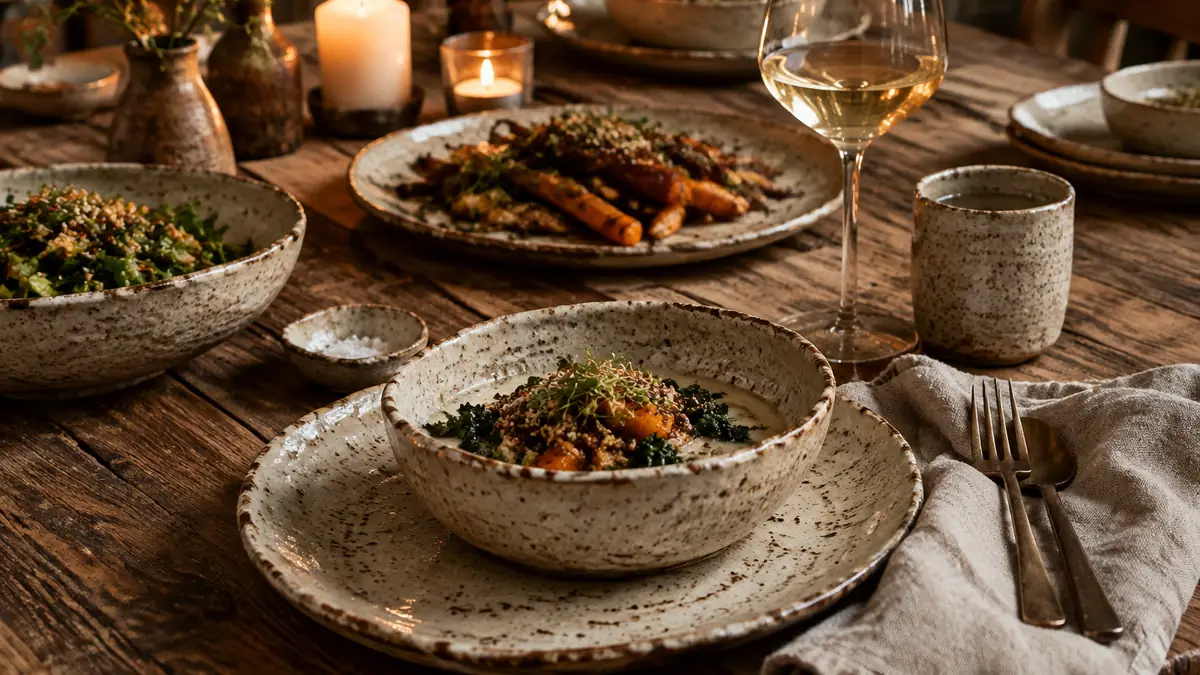
Almost every potter has heard it: I love this mug so much I never use it. It is understandable - a hand-thrown piece feels precious. But high-fired stoneware is one of the most durable materials in your kitchen. It survives commercial dishwashers, microwaves and daily abuse. A mug locked in a cabinet brings no joy; a mug used every morning becomes part of your life.
Most artisan ceramics fall into two families. High-fired stoneware (fired above 2,100F) is vitrified, non-porous, dishwasher-safe and microwave-safe. Lower-fired earthenware and raku pieces are more porous and decorative - they are happiest holding dry things or being washed by hand. Check the listing; we note the care level on every piece.
A fully glazed, high-fired stoneware piece is dishwasher-safe - the glaze is essentially glass fused to the clay. Use a gentle cycle, keep pieces from touching, and skip the heat-dry if you can. The exceptions: pieces with unglazed rims or raw clay feet, metallic lusters, or delicate hand-painted detail. Those get a quick hand wash.
Unglazed terracotta darkens with use. Glaze develops fine crazing over years. This is not damage - it is the piece recording its life with you, the same way a leather bag or a wooden spoon does. Japanese potters call this character wabi-sabi; collectors pay extra for it.
If a favorite bowl chips, do not throw it. A fine-grit sandpaper rub on the rough spot (or a dab of clear food-safe epoxy for functional pieces) smooths it for years more service. A chipped planter or vase can live on happily with zero repair.
Stack bowls of the same size with a paper towel or cloth between them. Hang or stand platters upright. Keep mugs on open hooks - it protects the handles and looks better than a cabinet anyway.
A potter's work is finished only when it is used. The kiln makes it durable; your table makes it complete.
Three quick checks tell you most of what you need to know about a ceramic piece. First, the foot ring: it should be smooth and, on functional ware, fully glazed or sanded. Second, the glaze surface: run a thumb inside - it should feel glassy and even, without sharp pinholes on pieces meant for food. Third, the sound: a light tap on unfired-in-the-oven stoneware rings clear; a dull thud can signal a hidden crack. Handmade does not mean careless - good artisans finish what machines never notice.
A table set entirely from one pattern looks like a showroom; a table of coordinated handmade pieces looks like a home. The trick is to repeat two of three variables - palette, material or texture - while letting the third vary. A speckled stoneware bowl, a smooth cream platter and a terracotta mug share a palette and a handmade feel while each keeping its own shape. Buy pieces one at a time, over seasons, and the table tells that story.
Stoneware holds heat beautifully, which is a feature at the table and a caution in the kitchen. Warm the dish with hot tap water before serving hot food, and never place a cold ceramic dish directly into a hot oven - thermal shock is the one failure mode even great stoneware cannot survive. A 30-minute rest on the counter before baking protects both the food and the piece.
Handmade ceramics are the rare gift that suits almost everyone - weddings, housewarmings, holidays - because no two are alike and none will be duplicated. Pair a stoneware mug with good coffee, a serving platter with a linen napkin, or a vase with a promise of flowers to fill it. Include a note about the maker and the piece becomes a story, not just an object. And since glazes vary batch to batch, buying two related pieces at the same time guarantees they harmonize.
Browse our ceramics and pottery collection - every bowl, mug and vase is thrown by hand and ready for daily work.
Ready to start layering? Shop the collection - free US shipping, tax free.