How to Care for Woven Baskets So They Last for Decades
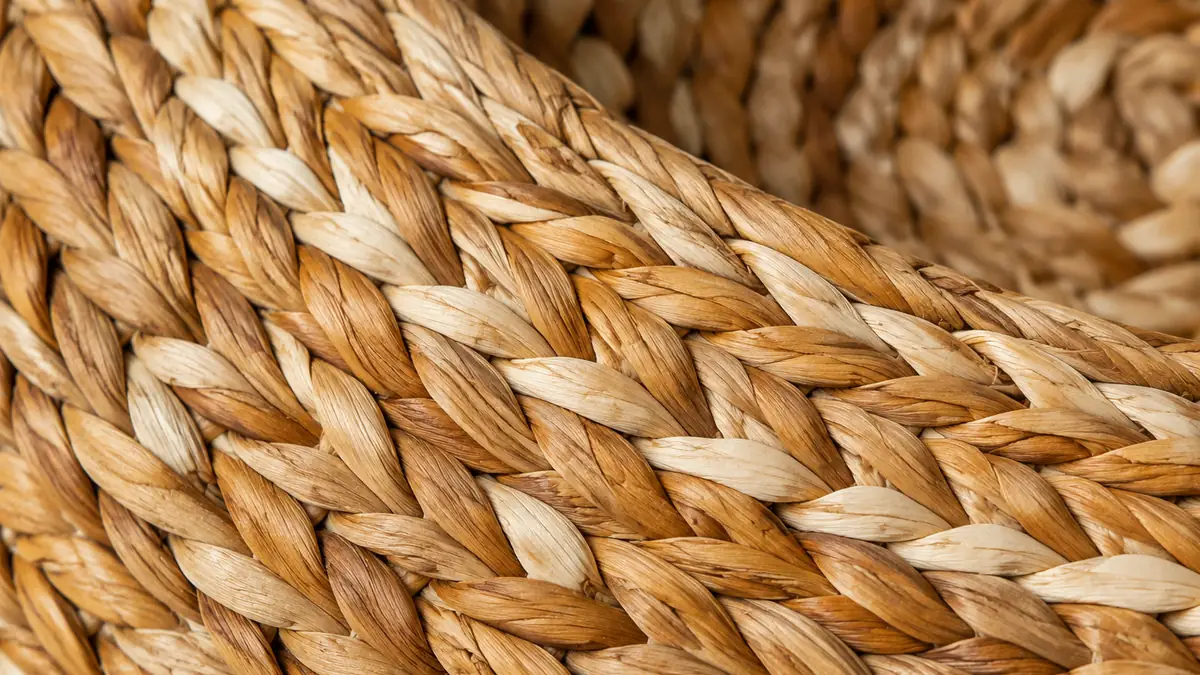
Seagrass, sisal, palm leaf and rattan have been used for storage for thousands of years for one simple reason: the fibers are incredibly strong for their weight. A tightly coiled seagrass basket can hold dozens of pounds for decades. The only thing that damages them is moisture, direct sun and rough handling - all avoidable.
Once a month, dust with a soft dry cloth or take the basket outside and give it a quick pass with a vacuum on low, using the brush attachment. Work with the direction of the weave, not against it. For tight coils, a soft pastry brush gets between the wraps without snagging.
Natural fiber and water are not friends, but a small spill is not a disaster. Blot - never rub - with a dry cloth first. If a stain remains, dampen a cloth slightly with cool water and a drop of mild soap, dab the spot, then blot dry and let the basket air dry away from heat.
Shipping and storage can flatten a coil basket. To reshape it, lightly mist the outside with cool water - the fibers should be damp, not wet - press it back into shape by hand, stuff it with clean towels or newspaper, and let it dry for 24 to 48 hours. The coil will set in its new shape.
Natural fibers expand and contract with moisture. In very dry climates, fibers can become slightly brittle; in humid ones, mold is the risk. The fix for both is the same: keep indoor humidity moderate (30 to 60 percent) and give baskets breathing room - never store them in sealed plastic bins.
Like all natural fibers, seagrass and sisal slowly fade in direct sun. If a basket sits near a bright window, rotate it every few weeks so any fading is even. A soft, uniform patina actually adds character - uneven fading is what you want to avoid.
For badly flattened rattan or stubborn kinks, hold the area over a kettle's steam for a few seconds, bend gently into place and hold until it cools. Steam resets the fiber's memory far better than dry heat.
Treat a woven basket like a wooden cutting board - keep it dry, oil-free and out of the sun, and it will serve you for decades.
Woven baskets look wonderful on porches and patios, but outdoor use shortens their life. If you do take them outside, keep them under a covered area, bring them in during rain, and expect the fibers to mellow in tone faster in sunlight. For planters, always use a plastic or ceramic liner inside the basket - standing water in a saucer is the fastest way to ruin natural fiber.
Tightly woven baskets hide dust where coils meet. Beyond monthly dusting, give them a twice-yearly refresh: a hairdryer on the cool setting, aimed into the weave, lifts dust from crevices a cloth cannot reach. For white mineral spots (usually from hard water in planters), a soft brush dipped in equal parts water and white vinegar, blotted dry immediately, does the trick.
When rotating seasonal baskets into storage, clean them fully first, then wrap in a breathable cotton pillowcase or an old sheet - never plastic, which traps moisture and invites mildew. Store upright in a dry closet with a bit of airflow. Tuck a cedar block or a sachet of dried lavender nearby to discourage insects; both smell better than mothballs, too.
A basket that has served a decade of grocery runs may eventually fray at the rim. Trim loose fibers carefully with scissors rather than pulling them - pulling unravels the coil. A frayed rim can be bound with jute twine for a second life as a plant cover or magazine holder. Retired baskets make excellent homes for blankets in the guest room, where their softened look reads as character.
Our handwoven baskets are made with tight-coil construction and reinforced bases - built to be used daily, not just displayed.
Ready to start layering? Shop the collection - free US shipping, tax free.